
 School life
 School Excursions and Activity Programmes — Getting More Than Just Classes
5 min read
What Happens Outside the Classroom
Classes are the core, but the activity programme is what makes a language school in Ireland different from watching YouTube tutorials at home. Most accredited schools run structured activities and excursions — some free, some with a small fee — and they matter for your English progress and your memories in equal measure.
What Schools Typically Offer
The exact programme varies by school, but most cover a mix of:
- City walks and cultural tours: Guided walks around Dublin — Trinity College, Kilmainham Gaol, the Liberties — usually free or included in your course fee.
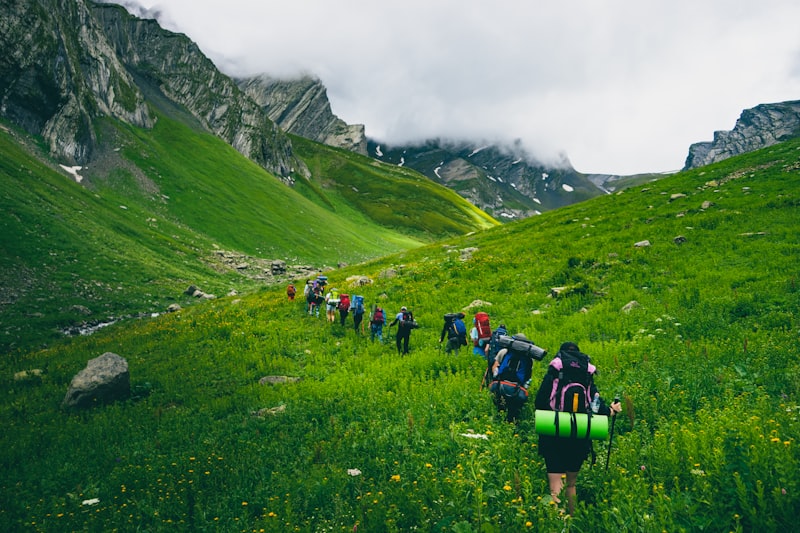
- Day excursions: Howth (coastal village, 30 minutes by DART), the Wicklow Mountains and Glendalough, Kilkenny, and Cork. Typically run on Wednesdays and Saturdays, with a fee of EUR 10–25 covering transport and sometimes entry.
- Evening social events: Pub quiz nights, bowling at Leisureplex, cinema nights, Irish cookery workshops. Usually EUR 0–15.
- Sports afternoons: Five-a-side football, basketball, or hurling taster sessions. Often free.
- Cultural events: Traditional Irish music sessions, Irish dancing lessons, cheese-and-wine evenings. Free or low cost.
How to Find Out What's On
Every school handles the calendar differently, but these steps work everywhere:
- Check the noticeboard near reception — most schools post the weekly schedule every Monday morning.
- Introduce yourself to the Student Services officer or Activities Coordinator on your first day. They run the programme and can tell you which trips get booked out fastest.
- Many schools send updates via a WhatsApp group or a student app. Ask reception on day one how to join.
- Book excursions early. For weekend departures, popular trips to Wicklow and Kilkenny fill by Tuesday. Payment is usually cash or card at the front desk.
Why It's Worth Going
Beyond the obvious — seeing Ireland — the activity programme solves a real problem: how to practise English with people you haven't already spent the morning with in class. On a coach to Glendalough, sitting next to a student from Japan or Turkey you've barely spoken to, you'll use English differently than you do in a grammar exercise. The stakes are lower, the conversation is genuine, and that difference shows up in fluency faster than you'd expect.
Irish language schools know this. Activities are not filler — they are part of the immersion design, and the schools that do it well see it as a key part of the course.
Typical Costs
- City activities and walking tours: free
- Half-day excursions (e.g. Howth by DART): free to EUR 5
- Full-day excursions by coach (Wicklow, Kilkenny, Cork): EUR 15–30
- Evening social events (bowling, cinema): EUR 8–15
- Overnight trips (some schools offer weekends to Galway or Belfast): EUR 65–100
Budget EUR 30–60 per month if you plan to join most activities. That is a modest amount compared to what you'd spend organising the same trips independently.
Getting the Most Out of It
- Go on the first excursion offered, even if the destination doesn't excite you. You're going for the people, not the postcard.
- Sit next to someone you haven't spoken to yet. Coach trips shuffle the whole group naturally — use it.
- Leave your headphones in your bag for the journey. Every hour on the coach is conversation time.
- If there's something you'd like to see that isn't on the calendar, tell the Activities Coordinator. Schools run on student suggestions more than most people realise.

How to Move Up a Level at Your Language School
Feeling too comfortable in your English class? Here's how mid-course level reviews work in Irish language schools, what teachers look for, and how to ask — and get — a move up.