
 Transport
 Taxis and Ridesharing in Dublin — Free Now, Uber, and Getting Home Safely
5 min read
Getting Around When the Bus Stops Running
Dublin's public transport is excellent — but it has limits. Buses stop running around midnight, the Luas shuts down around 12:30am, and even a Student Leap Card won't help you when you're on the other side of the city at 2am after a night out. That's where taxis and ridesharing apps come in. Here's everything you need to know.
Free Now — The App to Install First
Free Now (formerly MyTaxi, formerly Hailo) is the most popular taxi app in Ireland and the one to install before you go out. It hails licensed Dublin taxis through your phone — same cars as street taxis, same meters, but you can track your driver, see an estimated price before confirming, and pay cashlessly through the app. No Irish phone number required for registration; your Brazilian number works fine.
- Download: Available on iOS and Android, free
- Payment: Card saved in the app — no cash needed
- Shows: Driver name, photo, car registration, and live tracking
- Available: Across Dublin and other major Irish cities
Uber in Ireland — It's Different Here
Uber is available in Dublin, but it works differently from Brazil. Irish law does not allow private drivers — Uber here uses licensed taxi drivers. This means Uber prices in Dublin are similar to regular taxis (unlike Brazil, where Uber is often significantly cheaper). Uber is a valid option for the familiar interface, but Free Now generally has more cars available in Dublin and tends to be the faster choice.
Lynk and Street Taxis
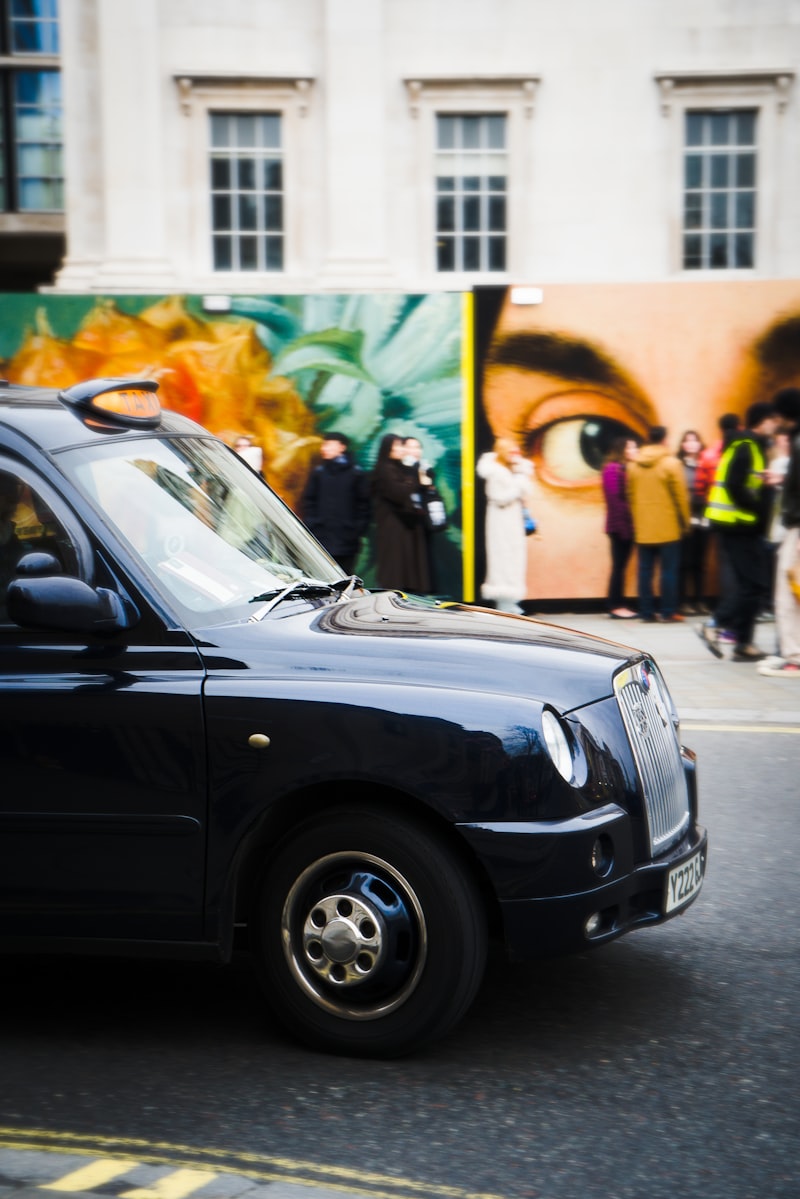
Lynk is another licensed taxi dispatch service popular with Dublin drivers. You can also simply hail a licensed taxi on the street the traditional way — look for a car with a yellow "TAXI" illuminated sign on the roof. If the light is on, the taxi is available. Wave your hand to stop it. Taxi ranks (official queuing points) are located at busy spots across the city: O'Connell Street, Grafton Street, St. Stephen's Green, and near most nightclubs and late-night venues.
Prices — What to Expect
Dublin taxis use meters set by law. No driver can legally charge more than what the meter shows.
- Starting fare (day): €4.10 — charged from the moment you get in
- Starting fare (night, midnight–8am and Sundays): €4.60
- Per kilometre: approximately €1.03 (day) / €1.40 (night)
- Typical city trip of 3–5km: €10–18 depending on time and traffic
- Dublin Airport to city centre: €25–38, roughly 30–45 minutes depending on traffic
Night rates apply from midnight — fares jump noticeably on weekends after midnight when demand is highest. Budget for a more expensive taxi home than the one you took to get there.
Safety Tips — Especially at Night
- Only use licensed taxis or reputable apps. Never accept a lift from someone who approaches you outside a venue — this is illegal and dangerous.
- Always match the registration. When your Free Now or Uber driver arrives, confirm the plate and driver photo match what's on your screen before getting in.
- Share your trip. Both Free Now and Uber have a share trip feature. Send your live location to a friend before the car moves.
- Sit in the back seat. Standard in Ireland — unlike in Brazil where front-seat chatting is common, here everyone sits in the back.
- Trust your instincts. If something feels wrong, don't get in. Cancel through the app and request a different driver.
The Budget Alternative — NiteLink Buses
Before booking a taxi, check if a NiteLink bus covers your route. NiteLink services run from the city centre on Friday and Saturday nights (approximately 12:30am to 4:30am) and cost just €3.80 with a Leap Card — a fraction of what a taxi costs. Routes cover most Dublin neighbourhoods. Check the TFI Live app or Dublin Bus website for the NiteLink map. On a student budget, using NiteLink as your default and taxis only when necessary will save you a meaningful amount over a few months.
Compared to Brazil
If you're used to Uber or 99 in Brazil, the biggest surprises in Dublin will be the price (taxis here cost considerably more) and that there are no private rideshare drivers — no mototáxis either. The trade-off is strong regulation: vehicles are inspected, drivers are licensed and vetted, and you are protected by law for every journey. More expensive, but also more reliable and accountable than what you're used to at home.
How Departi Can Help
Nervous about giving your address in English, or unsure how to ask a driver to stop at the right place? Finn, Departi's AI tutor, is available 24/7 to help you practise exactly this kind of real-life English — giving directions, understanding a Dublin accent, or knowing what to say when the driver asks "where are ya headed?"

Attendance Rules in Ireland — Why Your Stamp 2 Permission Depends on Showing Up
Missing too many classes in Ireland isn't just a school problem — it can put your Stamp 2 student permission at risk, whether or not you needed a visa to travel. Here's what you need to know about attendance rules and how to protect your stay.