
 School life
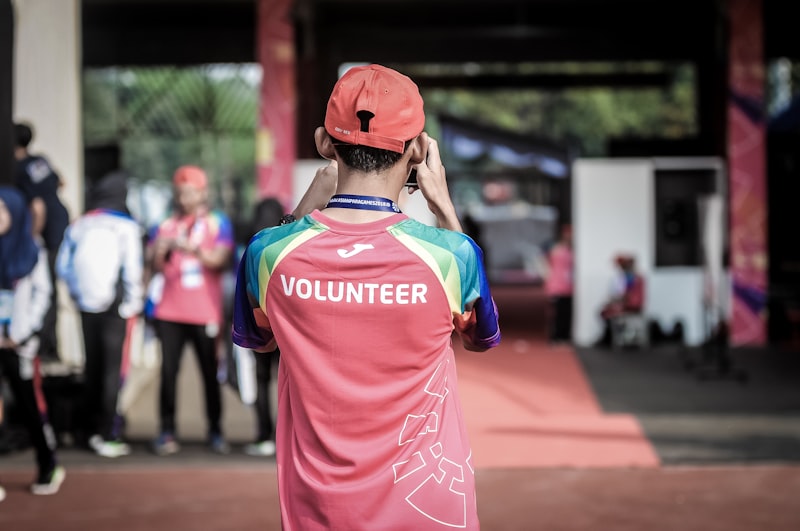
 Volunteering in Dublin — Build Your CV and Your Confidence at the Same Time
4 min read
Why Volunteering Is Normal in Ireland
Ireland has one of the highest voluntary participation rates in Europe. Whether it's a local food bank, a charity shop, a community garden, or a weekend beach clean, volunteering is a normal part of Irish life — not something reserved for retirement or a gap year. For international students, it is one of the most efficient ways to practise authentic English, build a local network, and add something genuine to your CV or university application.
What Can You Do?
The range is wide. These roles are particularly well-suited to students on a language course:
- St Vincent de Paul — Ireland's largest charity. Volunteers help in shops, prepare food hampers, and support vulnerable families. Branches across Dublin, flexible time commitment.
- ALONE — Support elderly people living alone through regular visits and befriending. Fully vetted, flexible hours, and deeply rewarding if you enjoy conversation.
- FoodCloud — Redistribute surplus food from supermarkets and food businesses to local food hubs. A few hours per week at distribution points across Dublin.
- Camara Education — Refurbish computers donated to schools in Africa and Latin America. Based in Dublin 8; useful if you have any technical background.
- Aware — Support mental health awareness programmes. Involves facilitation or admin support; no clinical training needed.
- Local GAA or sports clubs — Help at events, coaching sessions, or admin. A direct way to meet local families and integrate into a neighbourhood.
Where to Find Opportunities
Volunteer Ireland (volunteer.ie) is the national database. Filter by location, time commitment, and the type of work you want to do. Most listings clearly state expected hours; many language-school students find that two to four hours a week fits their schedule without affecting study time.
Your language school's noticeboard is also worth checking. Many schools have existing relationships with local charities and can make a direct introduction — which makes the sign-up process significantly easier.
What to Expect When You Apply
- Garda Vetting: Roles working with children, elderly people, or other vulnerable groups require a background check by the Garda Síochána (Irish police). It is free for volunteers and takes two to four weeks. Apply as early as possible — this is the main bottleneck for time-limited students.
- Induction: Most organisations run a short orientation before you start — often just one or two hours online or in person. Nothing to prepare for; just show up.
- Flexibility: Irish charities are well-practised at working with students. Be honest about your availability upfront and most will accommodate changing schedules without difficulty.
How It Accelerates Your English
A classroom gives you structured input. Volunteering gives you the real thing. Working alongside Irish people — where you need to listen, respond, ask questions, and explain things in genuine situations — pushes your fluency in ways no textbook can replicate. You will encounter vocabulary, speaking pace, and conversational register that differs from classroom English, and the social stakes feel lower than at a paid job. Mistakes are expected and forgiven quickly.
Putting It on Your CV
Include it — in full. Irish employers and universities treat voluntary work as a strong signal of character and initiative. Format it like any other role:
- Organisation name and a one-line description of what they do
- Your role and the specific tasks you took on
- Hours per week and total duration of your involvement
A short reference from your volunteering supervisor can carry real weight in job applications, particularly if it speaks to your communication skills and reliability in an English-language environment. Most supervisors are happy to write one if you ask before you finish.
Rugby in Ireland — A Student's Guide to the Six Nations
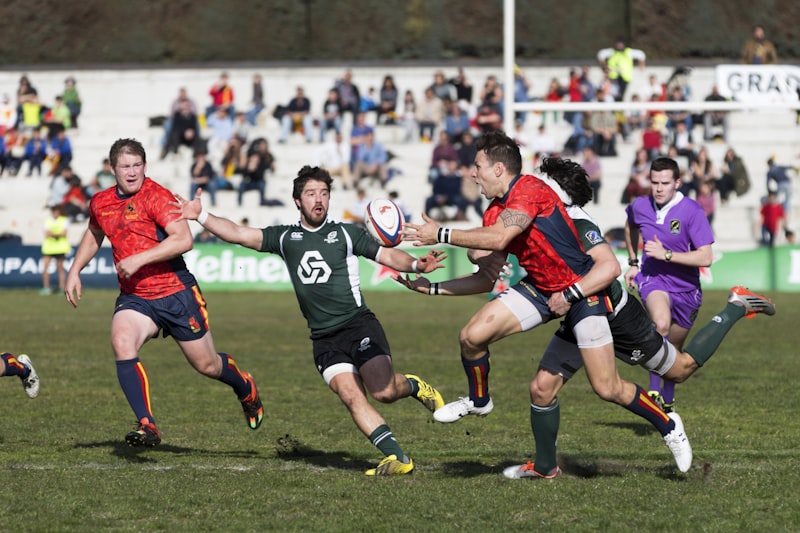
Rugby is the second heartbeat of Irish sport. Here's how to follow the Six Nations, understand club rugby, and join Irish friends on match day — without faking it.