
 Culture
 Sea Swimming in Dublin — Ireland's Cold-Water Tradition
4 min read
Welcome to Ireland's Most Surprising Pastime
You come from a country with warm beaches — and then you see Dubliners diving into the freezing Irish Sea on a rainy Tuesday morning, grinning from ear to ear. This isn't a dare. It's just what Irish people do.
Outdoor sea swimming — "wild swimming" — is one of the most distinctly Irish cultural experiences you can have, and it's free at most spots. It's quite different from Brazilian beaches: the water is cold year-round, there are no strong waves or dangerous currents like on the beaches of the Northeast or Rio, and the outdoor-swimming community is extremely welcoming to beginners. Here's where to go, how to prepare, and why it's worth trying at least once.
The Forty Foot — Dublin's Most Famous Swimming Spot
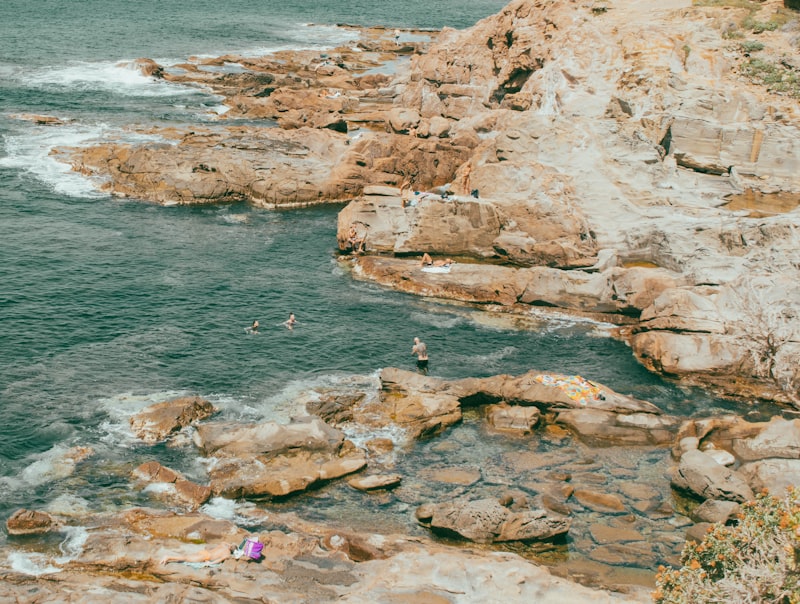
The Forty Foot, in Sandycove, is Ireland's most iconic outdoor swimming spot — a rocky cove open every day of the year, where locals swim before dawn, after dark, in December, in sun and drizzle alike. On Christmas morning, hundreds of people jump in. James Joyce described it in the opening of Ulysses, and he swam here himself.
- Getting there: DART to Sandycove & Glasthule station, then a 5–10 minute walk.
- Entry: EUR 3–5, paid at the kiosk during opening hours; at dawn and late at night, many people go in free. Basic changing facilities are on site.
- Water temperature: around 7–10°C in winter and 14–18°C in summer — cold either way.
- Best time: early morning — the atmosphere is unique, and regulars welcome beginners warmly. Locals just call it "the Forty".
Other Great Spots Around Dublin
- Seapoint (Dún Laoghaire): DART to Seapoint station, 2 minutes on foot. A wide, free concrete platform, very popular with families and regulars — calmer and more sheltered than the Forty Foot.
- Sandymount Strand: a long sandy beach on Dublin's south side, reachable by buses 1 and 3 from the city centre. Best for a coastal walk at low tide; you can wade in and swim at high tide.
- Dollymount Strand (Bull Island): a UNESCO Biosphere Reserve on Dublin's north side, with an extensive beach and nature trails. Bus 130 from the city centre. Popular with kitesurfers and walkers — much quieter than the south-side spots.
- Clontarf Seafront: a 4km waterfront promenade with a shallow-water beach, popular on warmer days. Reachable by bus from the city centre.
- Killiney Beach: DART to Killiney. A shingle beach with dramatic views over Dublin Bay — nicknamed the "Irish Riviera", with plenty of optimism, but the scenery really is beautiful.
What to Bring
- A fast-drying towel — microfibre is ideal.
- Warm clothes to put on immediately afterwards — this isn't optional.
- Swimwear; water shoes help at rocky spots like the Forty Foot.
- A hot drink in a flask — Irish swimmers swear the post-swim tea is the best part.
- A safety buoy: a bright swim buoy (around EUR 15 at the Decathlon on Parnell Street) keeps you visible to boats and is standard kit among regular swimmers.
Cold Water: What Actually Happens
Swimming in cold water is completely different from a warm beach. When you enter cold water, your body reacts with an involuntary gasp — that's normal, and it happens to everyone. Wade in slowly rather than diving straight in, control your breathing, and let your body adjust. Within 30 to 60 seconds the initial shock passes, and many people describe a rush of warmth and euphoria afterwards. Most beginners stay in for 2 to 5 minutes. You don't need to be brave — you just need to be willing to try once, and always swim near other people, never alone, especially somewhere new.
When to Go
Summer (June–August) is busiest, and September is usually the month with the warmest water. But plenty of regulars prefer winter — the water is clearer, regulars are more welcoming to beginners, and coming out of the sea in January with a hot tea in hand is a story you'll tell for the rest of your life. As the Irish say: there's no bad day to swim. Don't wait for the sun.
How to Find Other Swimmers
Wild Swimming Ireland is an active Facebook and Instagram community where local swimmers share spots, sea conditions and meet-up times. There are regular morning swim groups at the Forty Foot and Seapoint that welcome beginners — one of the easiest ways to meet Irish people in a relaxed setting outside the classroom.
How Departi Can Help
Departi's community connects you with other international students in Ireland — some of them will definitely take you up on a morning swim at the Forty Foot. Cultural experiences like this are what turn a language exchange into something you'll remember forever. The more you engage with local life, the faster your English and confidence grow.

School Excursions and Activity Programmes — Getting More Than Just Classes
Most Irish language schools run a weekly activity programme — free and paid trips to Howth, Wicklow, Cork and more. Here's what to expect, what it costs, and why you should go.